Best Grand Hotels Options: Luxury Hospitality Evaluation Guide
The evaluation of high-tier luxury accommodations has evolved beyond simple star ratings and standardized amenity lists. In an era dominated by rapid brand expansion, soft-brand collections, and capital-driven repositioning, evaluating premier hospitality properties requires a systematic understanding of operational capacity, architectural provenance, service density, and long-term asset performance. Choosing or analyzing top-tier accommodations involves reconciling subjective guest preferences with objective operational indicators.
Evaluating luxury properties demands an understanding of the balance between public grandeur and back-of-house logistics. A property can feature monumental public spaces, historic architecture, and extensive culinary operations, yet fail operationally if service circulation pathways are poorly designed or staff ratios are stretched beyond sustainable limits. Discerning travelers, corporate travel managers, asset evaluators, and hospitality analysts must look past surface-level branding to evaluate how a hotel maintains its standards under operational stress.
This analytical study establishes a rigorous framework for assessing, categorizing, and selecting premier luxury accommodations across global markets. By examining operational mechanics, spatial efficiency, cost structures, risk profiles, and performance evaluation frameworks, this guide serves as an authoritative reference for evaluating high-end hospitality real estate and hospitality options.
Understanding “best grand hotel options”
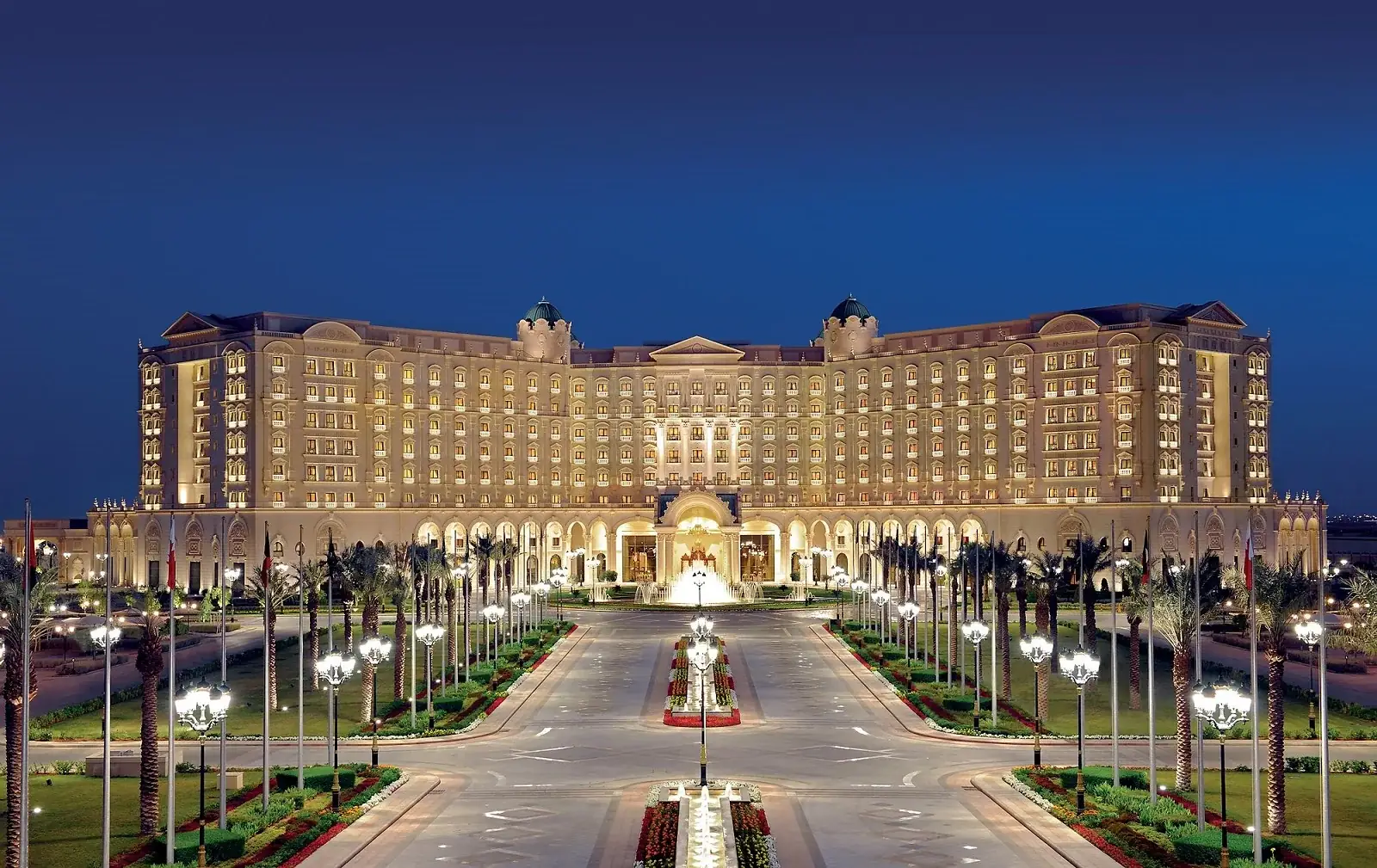
Evaluating the phrase best grand hotels options requires unpacking both consumer expectation and asset classification. In modern hospitality terminology, a “grand hotel” is defined by a specific combination of physical scale, public-to-private space ratios, architectural permanence, multi-concept food and beverage (F&B) operations, and high service-to-guest staff ratios. When assessing options within this category, stakeholders are comparing not merely room aesthetics, but entire operational ecosystems capable of delivering high-touch service while managing complex public, corporate, and private guest movements.
From an analytical perspective, evaluating options across this category involves reviewing four critical layers:
-
Spatial and Architectural Provenance: Floor plan ratios, vertical transport efficiency, structural acoustic isolation, and civic presence.
-
Service Density and Human Capital: Dedicated staff-to-key ratios, specialized guest service positions (e.g., Les Clefs d’Or concierges, dedicated floor valets), and back-of-house labor deployment.
-
Operational and Culinary Infrastructure: The capacity to run multiple high-end culinary outlets, high-capacity banquet facilities, and private wellness installations without operational bottlenecks.
-
Ownership and Brand Alignment: The structural stability of property ownership, brand management agreements, and long-term capital expenditure reserves.
Misunderstandings and Oversimplification Risks
A common error in hospitality analysis is confusing ultra-luxury boutique hotels with grand hotels. While boutique properties often offer exceptional room finishes and high staff-to-guest ratios, they lack the structural infrastructure, extensive public gathering areas, and multi-venue culinary ecosystems that characterize a grand hotel. Evaluating a boutique property using grand hotel metrics—or vice versa—leads to misaligned expectations regarding event capabilities, public space vitality, and service availability.
Another frequent oversimplification relies heavily on aggregated consumer reviews or general online travel agency (OTA) ratings. These scores often aggregate disparate guest experiences without accounting for stay context (e.g., corporate conference vs. private leisure stay), room category variations, or seasonal operational pressures. A thorough analysis of the best grand hotel options requires examining core operational capabilities rather than relying solely on crowd-sourced review metrics.
Deep Contextual Background
The evolution of grand hotel properties aligns with the expansion of international transport networks and modern urban centers. The late 19th and early 20th centuries established the foundational archetype: monumental urban structures designed as focal points for international travel, high diplomacy, and civic life. Properties like Paris’s Grand-Hôtel, London’s Savoy, and New York’s Plaza established architectural and operational standards that defined the industry for over a century.
Shift from Independent Ownership to Asset-Light Management
For decades, grand hotels were held as trophy assets by wealthy families, civic institutions, or railway companies. The late 20th century saw a structural shift toward the “asset-light” model. Property ownership was separated from operational management, leading to the rise of specialized global luxury hotel operators.
This structural separation changed how physical spaces were maintained and renovated:
-
Traditional Ownership-Operator Model: Single entity manages real estate and operations; CapEx decisions driven by generational preservation and asset prestige.
-
Modern Separation Model: Property owned by real estate investment trusts (REITs), private equity, or sovereign wealth funds; operations contracted to brand management companies under performance agreements. CapEx driven by debt coverage ratios, hurdle rates, and contractual brand standards.
Integration of Branded Residential and Mixed-Use Elements
In recent decades, pure-play urban grand hotels faced rising land acquisition, construction, and municipal tax costs. To maintain financial viability, grand hotel design adapted by integrating branded luxury residences, corporate office space, and high-end retail podiums.
Modern developments balance public hospitality spaces with private residential towers. Branded residences fund initial construction costs, while ongoing residential management fees help subsidize back-of-house hospitality infrastructure, such as security, subterranean logistics, and central kitchen facilities.
Conceptual Frameworks and Mental Models
Evaluating grand hotel properties requires structural frameworks to assess performance quality, spatial value, and operational sustainability.
1. The Tripartite Circulation Model
This framework evaluates a property by mapping three non-intersecting pathways within the physical architecture:
-
Guest Circulation: Lobbies, guest corridors, primary dining venues, and public gathering spaces designed for visual grandeur and intuitive wayfinding.
-
Service Circulation: Freight elevators, back-of-house corridors, staging kitchens, linen processing, and waste management channels running parallel to guest spaces.
-
VIP / Diplomatic Flows: Secure subterranean loading bays, private elevator stacks, and secure suite corridors that allow high-profile guests to bypass public areas entirely.
Application: If service circulation crosses guest pathways in public corridors or elevators, the property’s operational grade drops, regardless of interior finish quality.
2. Service Ratio to Key Capacity (SRKC)
SRKC measures human capital allocation per occupied room across operational phases.
-
High-Density Grand Standard: SRKC > 2.5 staff per occupied room during peak operational windows (enabling private dining delivery under 20 minutes, immediate luggage processing, and continuous public space maintenance).
-
Moderate Standard: SRKC between 1.2 and 1.8 staff per occupied room (typical during off-peak seasons or in streamlined modern properties).
-
Operational Risk Zone: SRKC < 1.0 staff per occupied room (leads to delayed room servicing, long check-in queues, and slower F&B turnaround).
Limit: SRKC tracks staffing quantity rather than service quality or training effectiveness. High staffing levels cannot overcome poor operational training or bad back-of-house spatial layouts.
3. Spatial Volume Yield Index (SVYI)
SVYI evaluates how efficiently a property balances non-revenue-generating grand architecture (lobbies, historic staircases, high ceilings) with revenue-generating assets (suites, private event spaces, branded retail).
Application: Ensures grand architectural scale generates tangible brand value, high-margin event business, or high-tier room rates, rather than functioning purely as unmonetized overhead.
Key Categories or Variations
When evaluating the best grand hotel options across global markets, properties fall into six distinct operational and structural categories. Each presents distinct trade-offs in guest experience, service capability, and spatial design.
1. Historic Heritage Flagships
-
Characteristics: Built before 1940; prominent urban locations; protected architectural features; high ceiling clearances; rich historical associations.
-
Operational Advantages: Unmatched architectural character; prime central positioning; strong brand prestige allowing premium room pricing.
-
Operational Trade-Offs: Irregular room layouts; retrofit limitations for modern MEP systems; acoustic control challenges in historic structural frames.
2. Modern Vertical Luxury Towers
-
Characteristics: Constructed within the last 20 years; located within high-rise commercial centers; integrated into mixed-use towers or occupying top floors (“sky lobbies”).
-
Operational Advantages: Advanced acoustic isolation; high-speed vertical transportation; modern MEP and air-filtration systems; consistent room footprints.
-
Operational Trade-Offs: Smaller ground-floor presence; shared building entrances; less public architectural character compared to historic ground-floor properties.
3. Grand Destination Resorts
-
Characteristics: Large horizontal footprints; self-contained recreational facilities; multiple swimming installations; comprehensive spa and wellness facilities; expansive grounds.
-
Operational Advantages: Complete control over guest environment; extensive private amenities; strong leisure focus with high length-of-stay profiles.
-
Operational Trade-Offs: High grounds maintenance costs; complex horizontal supply chains; weather-dependent amenity usage.
4. Adaptive Reuse Conversions
-
Characteristics: Historic municipal buildings, banks, or palaces converted into grand hotels through structural retrofitting.
-
Operational Advantages: Unique spatial features (e.g., vaulted bank spaces transformed into dining rooms); strong narrative branding; high local civic interest.
-
Operational Trade-Offs: High construction costs per room; awkward back-of-house service routes; potential spatial compromises to preserve historic elements.
5. Integrated Civic Terminus Properties
-
Characteristics: Attached directly to major historic rail stations or central transportation hubs; designed historically for international transit passengers.
-
Operational Advantages: Direct urban connectivity; high foot-traffic for F&B and event venues; strong appeal for corporate travelers.
-
Operational Trade-Offs: Acoustic isolation challenges from surrounding transport infrastructure; high public security requirements; higher proportion of short-stay guests.
6. Private Island and Enclave Master Plans
-
Characteristics: Fully self-contained luxury resorts located in isolated coastal or natural settings; accessible primarily via private transfer or maritime craft.
-
Operational Advantages: High guest privacy and exclusivity; controlled security environment; premium pricing leverage.
-
Operational Trade-Offs: Extreme supply chain logistics; reliance on self-generated power and water infrastructure; elevated maintenance costs due to environmental exposure.
Structural Comparison of Grand Hotel Categories
High-Volume Corporate Summit at an Urban Historic Flagship
-
Context: A historic 250-key grand hotel hosts a global summit featuring 40 heads of state and executive delegations over three days.
-
Constraints: High municipal security requirements; restricted street access; historic building layout with limited elevator shafts.
-
Decision Matrix: Management restricts general guest access, converting public lobbies into secure registration zones and reallocating service lifts exclusively for security detail and diplomatic logistics.
-
Failure Mode: Back-of-house room service lifts become overloaded, delaying delegate dining services.
-
Second-Order Effects: Non-summit corporate bookings drop for the surrounding week, but property prestige increases, allowing a long-term bump in standard room rates.
Severe Weather Disruption at a Coastal Destination Resort
-
Context: A 300-key luxury coastal resort experiences an unseasonal Category 3 storm system during peak occupancy.
-
Constraints: Outdoor dining and beach amenities rendered unusable; potential local power grid failures; guests confined to indoor areas.
-
Decision Matrix: The property shifts outdoor culinary staff to indoor dining venues, activates backup diesel generator systems, and converts ballroom facilities into indoor recreational spaces.
-
Failure Mode: Central kitchen drain systems overflow due to torrential runoff, compromising primary food prep areas.
-
Second-Order Effects: Resort management is forced to offer room credits, driving down quarterly net operating income (NOI), but swift emergency management preserves brand reputation.
Mixed-Use Integration Challenges in a Vertical Tower
-
Context: A modern 150-key grand hotel occupying floors 1 through 15 of a 60-story tower experiences acoustic bleed from a 16th-floor private residential gym.
-
Constraints: Structural weight-bearing walls limit retrofitted acoustic dampening; high-value residential owners resist construction schedules during business hours.
-
Decision Matrix: The hotel operator installs floating ceiling assemblies across impacted 15th-floor guest suites and repurposes affected rooms into quiet executive lounges.
-
Failure Mode: Unresolved noise complaints reduce review scores for top-tier suites.
-
Second-Order Effects: The hotel renegotiates management fee structures with the tower’s board to offset lost suite revenue.
Planning, Cost, and Resource Dynamics
Evaluating luxury properties requires understanding their underlying financial dynamics. Grand hotel operations run on high fixed overhead, complex labor structures, and substantial ongoing capital expenditure commitments.
Direct vs. Indirect Operating Costs
-
Direct Costs: On-duty payroll, food and beverage inventory, guest room supplies, energy consumption (HVAC, laundry operations), and channel distribution commissions.
-
Indirect Costs: Property insurance, brand management fees, historic facade maintenance, specialized legal and compliance retainers, and local municipal property taxes.
-
Opportunity Costs: Allocating square footage to non-revenue historical display areas or oversized lobbies rather than revenue-generating suites or high-density retail space.
Operational Cost Distribution by Room Footprint ($ / Key / Year)
Tools, Strategies, and Support Systems
Operating and evaluating premier grand hotels relies on integrated technical systems, management strategies, and professional networks.
-
Integrated Property Management Systems (PMS): Platform handling guest preferences, room assignments, billing, and real-time housekeeping status across departments.
-
Predictive Revenue Management Systems (RMS): Algorithms calculating real-time price adjustments based on historical demand patterns, market events, and booking pacing.
-
Computerized Maintenance Management Systems (CMMS): Track equipment lifecycles, schedule preventive maintenance on MEP systems, and log repair work orders.
-
Energy Management Systems (EMS): In-room sensor arrays that adjust HVAC output based on occupancy, reducing utility expenses without impacting guest comfort.
-
Concierge & Task Distribution Networks: Platforms (e.g., GoConcierge, Alice) that route guest requests to the appropriate staff members and track fulfillment times.
-
Acoustic and Environmental Monitoring Arrays: Sensors installed in public areas to monitor sound levels, ambient light, and air quality, alerting engineering teams to adjustments needed in real time.
-
Third-Party Quality Assurance Audits: Unannounced, standardized inspections conducted by organizations like Forbes Travel Guide or LQA (Leading Quality Assurance) to evaluate operational compliance.
-
Les Clefs d’Or Professional Networks: An international association of professional hotel concierges providing access to localized services, security coordination, and guest assistance networks.
Risk Landscape and Failure Modes
Operating a high-scale grand hotel involves managing complex risks where a single failure in one department can cascade across the entire property.
1. Operational Skill Depletion
-
Mechanism: High turnover or reduced training budgets lead to an inexperienced frontline workforce.
-
Cascading Impact: Service errors multiply across concierge, front desk, and dining operations. High-spending repeat guests leave, forcing management to lower rates to maintain occupancy, which degrades brand prestige.
2. Infrastructure Fatigue
-
Mechanism: Deferring maintenance on aging MEP, boiler, or chiller systems to protect short-term net operating income (NOI).
-
Cascading Impact: System failures occur during peak occupancy periods, resulting in room out-of-order statuses, emergency repair bills, and guest refund payouts.
3. Soft-Brand Alignment Fractures
-
Mechanism: An independent owner joins a brand collection to boost distribution, but conflicts arise over mandatory brand standards versus local operational choices.
-
Cascading Impact: Inconsistent service standards damage guest expectations, leading to contract disputes, legal fees, or early brand termination penalties.
4. Revenue Compression via Fixed Cost Inflation
-
Mechanism: Rising municipal energy taxes, union labor wage increases, and insurance premiums outpace Average Daily Rate (ADR) growth.
-
Cascading Impact: Operating margins compress, forcing cuts to capital reserves, which leads to visible physical deterioration in guest corridors and public spaces over time.
Governance, Maintenance, and Long-Term Adaptation
Maintaining the operational and physical standing of a grand hotel requires consistent governance, systematic maintenance cycles, and adaptive capital management.
Governance Structures and Oversight Mechanisms
Property governance typically relies on a tripartite review structure involving property owners, brand operators, and independent asset managers:
-
Asset Management Oversight: Monthly performance reviews evaluating GOPPAR (Gross Operating Profit Per Available Room), RevPAR index against competitor sets, and capital expenditure spending schedules.
-
Brand Compliance Audits: Bi-annual property reviews to ensure physical conditions and operational delivery conform to global brand standards.
-
Joint Capital Allocation Committees: Joint reviews between owners and operators to approve FF&E expenditures, ensuring funds are directed toward high-impact updates.
Measurement, Tracking, and Evaluation
Assessing options across the grand hotel category requires measuring both financial return metrics and operational quality signals.
Leading vs. Lagging Performance Indicators
-
Leading Indicators (Operational Health):
-
Frontline Staff Retention Rates: Stable staffing directly correlates with consistent service quality and lower training overhead.
-
Preventive Maintenance Closure Times: Rapid completion of minor engineering tickets prevents major infrastructure breakdowns.
-
Direct Guest Retention Ratios: A high proportion of returning guests indicates strong service consistency and brand loyalty.
-
-
Lagging Indicators (Financial Outcomes):
-
Total Revenue Per Available Room (TRevPAR): Captures total guest spending across rooms, F&B, spa, and events, offering a complete picture of asset utilization.
-
Gross Operating Profit Per Available Room (GOPPAR): Reflects overall operational efficiency by accounting for operating costs, labor expenses, and utility overhead.
-
Market Penetration Index (MPI): Measures property occupancy relative to its immediate competitive set, highlighting relative market strength.
-
Sample Operational Log Extracts
- Quality Assurance Audit Log
- Quarterly TRevPAR and Margin Analysis
Common Misconceptions and Oversimplifications
1. “Historic Provenance Automatically Guarantees Superior Quality”
-
Reality: An iconic historic exterior can mask outdated MEP systems, poor soundproofing, and awkward service routes if owner reinvestment has lagged.
2. “High Room Rates Equal Superior Service Delivery”
-
Reality: Premium pricing often reflects strong market demand or prime location rather than high staffing levels or exceptional service standards.
3. “More Food & Beverage Outlets Always Improve Property Standing”
-
Reality: Running underperforming F&B outlets drains labor resources and dilutes focus. Modern grand hotels often focus on two or three high-quality culinary concepts rather than spreading resources thin across many venues.
4. “Soft-Brand Collections Offer identical Experiences to Standalone Flagships”
-
Reality: Joining a soft-brand distribution network provides marketing reach, but day-to-day operations remain tied to local ownership priorities and management capabilities.
5. “Boutique Luxury Properties Outperform Grand Hotels in Guest Experience”
-
Reality: Boutique hotels can offer intimate atmospheres, but they often lack the back-of-house infrastructure, 24-hour service depth, specialized staff, and event capabilities that grand hotel properties provide.
6. “Capital Expenditure Should Focus Primary Budget on Guest Room Decor”
-
Reality: While stylish room finishes attract guests, long-term operational success depends heavily on unglamorous updates to elevators, central chillers, kitchen equipment, and acoustic dampening systems.
Ethical, Practical, and Contextual Considerations
Evaluating and operating grand hotel properties involves broader societal, civic, and environmental responsibilities:
-
Historic Preservation vs. Accessibility: Balancing historic preservation requirements with modern accessibility standards (e.g., ADA compliance, step-free access) requires careful architectural planning.
-
Environmental Impact and Resource Consumption: Luxury operations historically consumed significant water, power, and single-use supplies. Modern developments must integrate energy-efficient HVAC, water recycling, and sustainable sourcing without compromising service standards.
-
Labor Fair Practice and Community Integration: High service density relies on an educated, fairly compensated workforce. Properties that invest in staff welfare, professional development, and community engagement enjoy lower turnover and deliver more consistent guest experiences.
-
Civic and Neighborhood Identity: Grand hotels often serve as public gathering places within urban centers. Maintaining public access to lobbies, historic spaces, and civic events builds local goodwill and enhances cultural relevance.
Conclusion
Evaluating grand hotel properties requires looking past superficial marketing to analyze physical layouts, labor allocation strategies, back-of-house infrastructure, and long-term asset governance. Whether assessing properties for personal stay selection, corporate travel partnerships, or real estate investment, a structured analytical approach helps identify assets capable of maintaining high standards under operational demands.
Understanding how spatial layouts, service ratios, operational systems, and maintenance investments interact enables stakeholders to evaluate properties based on sustainable performance rather than short-term reputation.